Home Services Locations About Us Reviews Blog Reviews Contact

Professional drainage solutions for every property

French drains, soakaways, channel drains and more — solving waterlogging and surface water problems across Berkshire, Surrey and Greater London.

Solving drainage problems at the source

Poor garden drainage ruins lawns, damages paving, encourages damp, and can undermine the foundations of your property. At Dripstop Roofing, we diagnose and resolve drainage issues with properly engineered solutions — from simple French drains and soakaways to comprehensive land drainage networks and SuDS systems that protect your property and comply with Building Regulations.

The Thames Valley's heavy clay soils and flat topography make drainage problems particularly common across Slough, Maidenhead, Windsor, and the surrounding Berkshire area. With increasingly intense rainfall events driven by climate change, effective drainage is no longer a luxury — it is essential. We have been solving drainage problems for homeowners across the region since 2020.

Every project begins with a thorough site investigation where we identify the source and severity of the problem, test soil permeability, and assess the existing drainage infrastructure. We then design a tailored solution, provide a clear quotation, and carry out the installation with minimal disruption to your garden and landscaping.

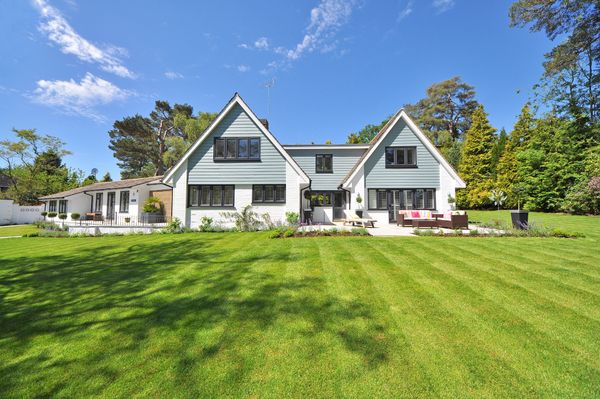
Garden drainage installation in Berkshire by Dripstop Roofing
What we offer

Drainage services

French Drains

Gravel-filled trenches with perforated pipes that intercept and redirect groundwater away from problem areas. The go-to solution for waterlogged lawns, boggy borders, and subsurface water movement across clay soils.

Soakaways

Underground attenuation chambers that collect surface water from roofs, patios, and driveways and allow it to gradually infiltrate the ground. Sized to BRE Digest 365 calculations for your specific site conditions.

Channel Drains

Surface-mounted linear channel drains (ACO drains) that collect water running across driveways, patios, paths, and thresholds. Available in a range of grate styles to suit any surface finish.

Land Drain Networks

Comprehensive herringbone or parallel drain systems for large gardens, sports pitches, and severely waterlogged land. Connected to central collectors and discharged to soakaways or watercourses.

Drainage Surveys

Detailed site investigations including soil percolation tests, level surveys, and CCTV drain inspections to accurately diagnose drainage problems and design effective, lasting solutions.

SuDS Compliance

Sustainable Drainage Systems designed to manage surface water from new patios, driveways, and extensions in compliance with Part H of the Building Regulations and local planning requirements.

Your complete guide to garden drainage

Diagnosing garden drainage problems

Before designing a solution, it is essential to understand why your garden is waterlogged. The causes are often more complex than they first appear. The most common culprit across the Slough and Thames Valley area is heavy London clay subsoil, which has very low permeability and holds water near the surface. Compaction from foot traffic, construction, or heavy machinery makes matters worse by destroying the soil structure that would otherwise allow some infiltration.

Poor surface grading is another frequent issue, particularly in gardens that have been extended or relandscaped without adequate attention to falls. Water should always flow away from the house and towards dedicated drainage points. Even a slight dip or low spot can create a persistent puddle. High water tables — common in the flat Thames floodplain — can bring groundwater close to the surface during wet months, waterlogging gardens from below rather than above.

Blocked, broken, or undersized existing drains are often the hidden villain. Victorian and mid-century properties across Berkshire frequently have clay pipe drains that have cracked, collapsed, or become root-invaded over the decades. A CCTV drain survey is often the first step in our investigation, revealing the condition of existing pipework and identifying blockages, collapses, and connection issues.

French drains explained

A French drain is one of the most effective and versatile drainage solutions for garden waterlogging. It consists of a trench — typically 300mm to 450mm wide and 500mm to 900mm deep — filled with clean, washed gravel surrounding a perforated land drain pipe. Groundwater seeps into the gravel from the surrounding soil, enters the pipe through the perforations, and flows by gravity to a discharge point such as a soakaway, watercourse, or surface water drain.

The key to a successful French drain is the gradient. We lay the pipe at a minimum fall of 1:100 (1cm drop per metre of length), though steeper gradients are preferable where the site topography allows. The trench is lined with a geotextile membrane before the gravel is placed — this prevents fine soil particles from migrating into the gravel and clogging the system over time. The pipe itself is typically 100mm or 150mm perforated twinwall.

In gardens, French drains are most commonly laid in a herringbone pattern — a central spine drain with lateral branches at 45-degree angles — to intercept water across a wide area. For targeted problems, a single linear French drain along the boundary, at the base of a slope, or parallel to the house wall can be highly effective. We finish French drains with a layer of topsoil and turf so they are invisible in the completed garden.

French drains are particularly effective on the heavy clay soils found across Berkshire and Surrey, where surface water struggles to drain away naturally. They work by intercepting water as it moves through the upper soil layers and channelling it away before it reaches the surface, keeping your lawn firm and your borders healthy even during prolonged wet weather.

Soakaways and Building Regulations

A soakaway is an underground chamber that receives surface water and allows it to gradually percolate into the surrounding ground. Modern soakaways are constructed using modular plastic crates (such as Polypipe or Wavin units) wrapped in geotextile membrane, replacing the old-fashioned rubble-filled pit. Crate systems offer a much higher storage capacity relative to their size and are easier to install and maintain.

Building Regulations Part H requires that surface water from new impermeable surfaces — roofs, driveways, patios — is managed using a hierarchy: first, discharge to the ground via infiltration (soakaway); if that is not feasible, to a watercourse; and only as a last resort, to the public surface water sewer. In practice, most domestic sites in Berkshire have adequate ground conditions for soakaways, though clay soils may require larger chambers or alternative solutions.

The required soakaway size is calculated using BRE Digest 365 methodology, which takes into account the impermeable area draining into it, the local rainfall intensity (the M5-60 value), and the soil's infiltration rate measured by a percolation test on site. A soakaway must be sited at least five metres from any habitable building and at least 2.5 metres from a boundary to prevent water undermining adjacent structures.

Channel drains and ACO drains

Linear channel drains — commonly known by the brand name ACO — are surface-mounted channels that collect rainwater running across paved areas. They consist of a pre-formed channel body (typically polypropylene or polymer concrete) with a slotted or mesh grate on top. Water falls through the grate, collects in the channel, and flows to a trapped gully or soakaway.

We install channel drains across driveway entrances to prevent water running onto the public highway, at the base of patio slopes to intercept runoff before it reaches the house, along garage thresholds to keep floodwater out of the building, and at the junction between different surface materials. Stainless steel, galvanised steel, and cast iron grate options are available to match your paving and aesthetic requirements.

Channel drains are often used in combination with French drains and soakaways as part of a comprehensive drainage strategy. The channel drain handles fast surface runoff during heavy downpours, while French drains manage the slower subsurface water movement. Together, they provide complete protection for your property and garden in all weather conditions.

How we work

Our process

Drainage Survey

We investigate the problem thoroughly — visual assessment, level survey, soil percolation test, and CCTV drain inspection where appropriate. We identify the root cause, not just the symptoms.

Design & Quotation

We design a tailored drainage scheme with full specifications, provide a clear written quotation, and explain the solution in plain English so you understand exactly what we are proposing and why.

Installation

Our experienced team excavates trenches, lays pipes and drains, constructs soakaways, and backfills — working efficiently to minimise disruption to your garden and restore the surface as quickly as possible.

Testing & Handover

We test the complete system with water to confirm it flows correctly, backfill and reinstate surfaces, and provide documentation including an as-built drainage plan for your property records.

Drainage costs

Drainage costs depend on the type and extent of the system required, soil conditions, access, and the complexity of the installation. Below are typical prices for drainage projects in Slough, Berkshire, and the Home Counties.

ServiceTypical CostTimeframe
French drain (per linear metre)£40 – £801 – 3 days
Soakaway (standard domestic)£500 – £1,2001 – 2 days
Channel drain / ACO drain (per metre)£80 – £1501 – 2 days
Land drain network (typical garden)£1,500 – £4,0003 – 7 days
CCTV drain survey£150 – £350Same day
Percolation test£100 – £250Same day
Drainage repair / unblocking£100 – £5001 – 2 days

Prices are estimates based on typical UK projects. Actual costs vary by property, access, and materials. We provide free, detailed quotes.

Completed drainage installation in Berkshire by Dripstop Roofing

Drainage specialists across the Thames Valley

Dripstop Roofing has been solving garden and property drainage problems across Slough, Reading, Windsor, Maidenhead, Bracknell, and the wider Berkshire, Surrey, Buckinghamshire, and Greater London areas since 2020. Our team understands the local geology — the heavy clays, the high water tables, the flood-prone zones — and designs solutions that work for your specific site.

We are fully insured and provide written guarantees on all drainage installations. Unlike many general builders who treat drainage as an afterthought, we specialise in getting it right — because we know that a drainage problem never goes away on its own. It only gets worse.

If your garden is waterlogged, your patio floods, or your driveway channels water towards the house, call us on 07405 391861 for a free drainage survey. We will diagnose the problem, explain your options, and provide a clear, no-obligation quotation.

Common questions

Frequently Asked Questions

How do I know if my garden has a drainage problem?

Common signs include persistent standing water after rain, boggy or squelchy areas of lawn, moss or algae growth on paved surfaces, water pooling against the house, and a persistent damp or musty smell. If water takes more than 24 hours to drain away after moderate rainfall, you almost certainly have a drainage issue that needs professional attention.

What is a French drain and how does it work?

A French drain is a gravel-filled trench containing a perforated pipe that collects and redirects groundwater. Water enters through the gravel and perforations, flows along the pipe by gravity, and discharges into a soakaway, watercourse, or surface water drain. French drains are highly effective at intercepting water moving through the soil before it reaches problem areas.

Do I need Building Regulations approval for drainage work?

Connecting new drainage to the public sewer system requires approval from your local water authority — Thames Water in most of Berkshire. Soakaways and French drains that discharge into the ground generally do not need formal approval but must be sited at least five metres from any building and comply with BRE Digest 365 sizing requirements. We handle all necessary approvals.

How much does garden drainage cost?

French drains typically cost £40 to £80 per linear metre installed, soakaways range from £500 to £1,200 depending on size, and linear channel drains cost £80 to £150 per metre. A typical garden drainage scheme for a semi-detached property in Slough costs between £1,500 and £4,000. We provide free surveys and detailed quotes.

What is a soakaway and how big does it need to be?

A soakaway is an underground chamber — typically filled with crates or rubble — that collects surface water and allows it to gradually percolate into the surrounding soil. The required size is calculated based on the roof or paved area draining into it, the local rainfall intensity, and the soil's infiltration rate. BRE Digest 365 provides the standard calculation method we use.

Can you fix waterlogged lawns?

Yes. Waterlogged lawns are usually caused by compacted soil, poor grading, or a high water table. Solutions include installing a herringbone French drain system beneath the turf, improving the soil with sand and organic matter, regrading the surface to create positive drainage falls, and in severe cases installing a full land drainage network connected to a soakaway.

What are ACO drains and when are they used?

ACO drains — more properly called linear channel drains — are narrow surface-mounted channels with a grated top. They collect water running across paved surfaces such as driveways, patios, and thresholds. We install them at the base of slopes, across driveway entrances, and along the house perimeter to intercept water before it enters the building.

How long does drainage installation take?

A simple French drain or soakaway can be completed in one to three days. A comprehensive garden drainage scheme with multiple French drains, a soakaway, and channel drains typically takes three to seven working days. We provide a clear timeline in our quotation so you know exactly what to expect.

Preventing drainage problems before they start

The best drainage solution is one that is designed into the project from the outset. When planning a new patio, driveway, extension, or garden redesign, incorporating drainage at the design stage is far more effective and economical than retrofitting it after problems emerge. We advise every client to consider drainage as a fundamental element of their landscaping project, not an afterthought.

Key preventive measures include maintaining positive surface gradients away from the building on all paved areas, specifying permeable materials where appropriate, installing channel drains at key interception points, and connecting roof downpipes to dedicated soakaways rather than allowing them to discharge onto the ground surface. On new-build properties across Slough and the Thames Valley, we routinely find that the builder has connected roof water to the foul sewer rather than the surface water drain — a common but problematic arrangement that overloads the sewage system during heavy rain.

Soil management is equally important. Compacted subsoil from construction traffic is one of the main reasons new-build gardens drain poorly. Before laying turf or planting, the soil should be deeply cultivated, de-compacted with a mechanical cultivator or subsoiler, and improved with generous quantities of organic matter and sharp sand. This creates a permeable topsoil layer that absorbs rainfall and sustains healthy plant growth — reducing both waterlogging and irrigation needs.

For properties in flood-risk zones — increasingly common across the Thames floodplain and low-lying areas of Berkshire — we can design comprehensive property-level flood resilience measures. These include raised thresholds, flood-resistant air bricks, automatic flood barriers across doorways, non-return valves on drainage connections, and landscaping that directs overland flow away from the building. Combined with effective garden drainage, these measures significantly reduce the risk and impact of surface water flooding.

Drainage for specific landscape projects

Every type of landscape project has specific drainage requirements. Patios need a minimum fall gradient of 1:60 away from the building, with channel drains or slot drains at the low edge to collect runoff. Driveways require SuDS-compliant drainage — either permeable surfacing or interceptor drains — to prevent water flowing onto the public highway. Retaining walls need comprehensive drainage behind the structure to relieve hydrostatic pressure and protect the wall from failure.

Lawns and planting areas on heavy clay benefit from a sub-surface drainage network — either a herringbone French drain layout or a grid of land drain pipes at 3 to 5 metre spacings — connected to a central collector and discharged to a soakaway. For clients installing artificial grass, which is inherently impermeable, a drainage layer beneath the synthetic turf is essential to prevent ponding and ensure the surface drains quickly after rain.

We integrate drainage design into every landscaping project we undertake. Whether you are commissioning a new patio, driveway, garden redesign, or extension, our team will ensure that water management is addressed properly from the start — protecting your investment and your property for decades to come.

Get started

Tired of a waterlogged garden? Let us fix it for good.

Book a free drainage survey and quote. We serve Slough, Berkshire, Surrey, Buckinghamshire and Greater London.

Get Free Quote